


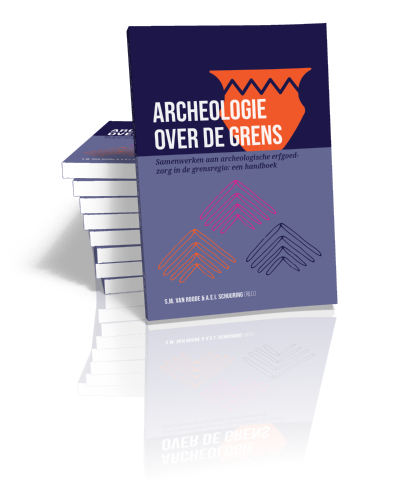
Archeologie over de grens
Samenwerken aan archeologische erfgoedzorg in de grensregio: een handboek
Edited by Sigrid M. van Roode & A.E.I. Schuuring | Forthcoming
De Nederlandse provincies Overijssel en Gelderland en de Duitse deelstaat Noordrijn-Westfalen (NRW) grenzen aan elkaar. Al duizenden jaren leven er mensen in dit gebied, die aan beide zijden van de grens hun sporen hebben nagelaten.…

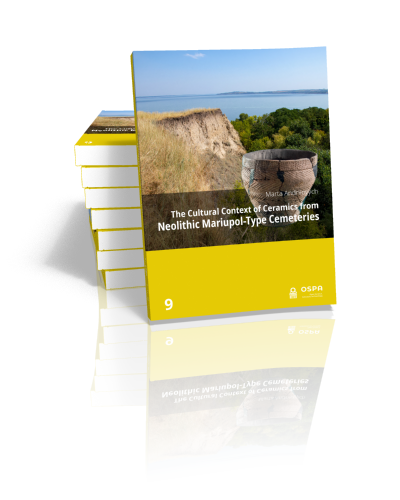
The Cultural Context of Ceramics from Neolithic Mariupol-Type Cemeteries
Marta Andriiovych | Forthcoming
From 1927 to 1980, 24 Neolithic burial grounds dating from the 7th to 5th millennia BC were discovered in the Middle and Lower Dnieper River basin. All cemeteries had similar cemetery structures and characteristics. Simultaneously,…
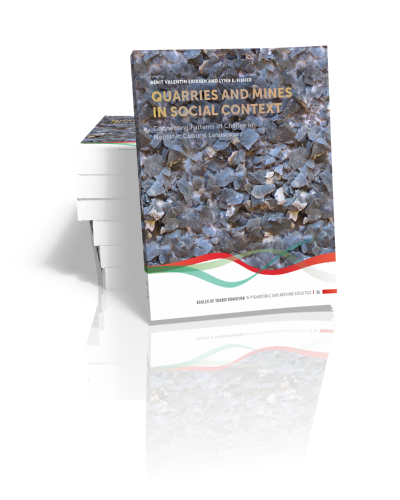
Quarries and mines in social context
Connecting patterns of change in Neolithic cultural landscapes
Edited by Berit Valentin Eriksen & Lynn E. Fisher | Forthcoming
Flint mines and quarries are a widespread phenomenon in the European Neolithic, but are difficult to characterise and to connect to broader sociocultural developments due to challenges of recognition and dating, and to a great…
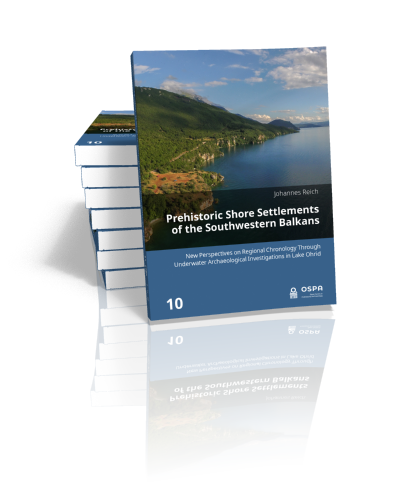
Prehistoric Shore Settlements of the Southwestern Balkans
New Perspectives on Regional Chronology Through Underwater Archaeological Investigations in Lake Ohrid
Johannes Reich | Forthcoming
This publication presents the first cross-border synthesis of data on prehistoric shore settlement sites in the southwestern Balkans. Archaeological settlement sites, located along lakeshores, rivers, and wetlands, are among the richest sources for prehistoric periods…
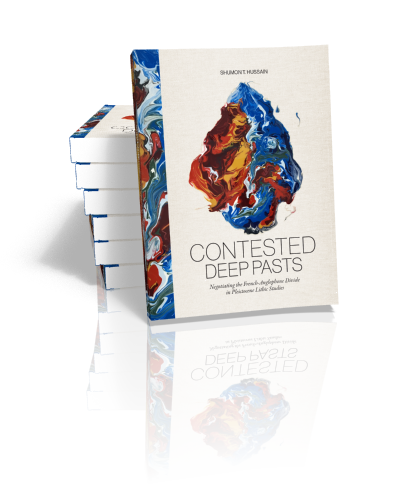
Contested Deep Pasts
Negotiating the French-Anglophone Divide in Pleistocene Lithic Studies
Shumon T. Hussain | Forthcoming
This book offers the first in-depth analysis of French-Anglophone research conflicts in Palaeolithic archaeology. By carefully examining a range of case studies and discursive contexts, the author shows that French and Anglophone approaches to the…
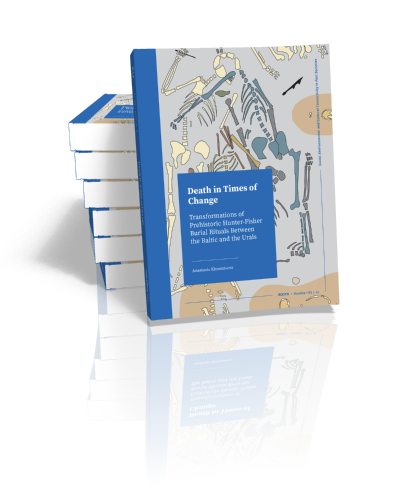
Death in Times of Change
Transformations of Prehistoric Hunter-Fisher Burial Rituals Between the Baltic and the Urals
Anastasia Khramtsova | Forthcoming
This book examines burial rituals among prehistoric communities that inhabited the East European forest zone between ca. 9500 and 2700 cal BCE. Based on evidence from 130 burial sites with a total of 1406 graves…
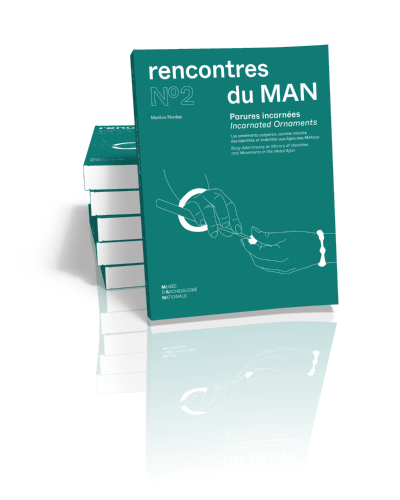
Parures incarnées / Incarnated Ornaments
Les ornements corporels comme miroirs des identités et mobilités aux âges des Métaux / Body Adornments as Mirrors of Identities and Movements in the Metal Ages
Edited by Marilou Nordez (co-edited by Thibault Lachenal, Muriel Mélin, Caroline Mougne, Joëlle Rolland and Rolande Simon-Millot) | Forthcoming
Les ornements corporels subliment le corps humain, le rendant plus beau, plus impressionnant ou plus désirable. Associées aux vêtements, accessoires ou tatouages, les parures participent d’un système de signes révélant le statut, le rôle et…
Search results for cat-prehistory
:
Archeologie over de grens
Samenwerken aan archeologische erfgoedzorg in de grensregio: een handboek
Edited by Sigrid M. van Roode & A.E.I. Schuuring | Forthcoming
De Nederlandse provincies Overijssel en Gelderland en de Duitse deelstaat Noordrijn-Westfalen (NRW) grenzen aan elkaar. Al duizenden jaren leven er mensen in dit gebied, die aan beide zijden van de grens hun sporen hebben nagelaten.…
The Cultural Context of Ceramics from Neolithic Mariupol-Type Cemeteries
Marta Andriiovych | Forthcoming
From 1927 to 1980, 24 Neolithic burial grounds dating from the 7th to 5th millennia BC were discovered in the Middle and Lower Dnieper River basin. All cemeteries had similar cemetery structures and characteristics. Simultaneously,…
Quarries and mines in social context
Connecting patterns of change in Neolithic cultural landscapes
Edited by Berit Valentin Eriksen & Lynn E. Fisher | Forthcoming
Flint mines and quarries are a widespread phenomenon in the European Neolithic, but are difficult to characterise and to connect to broader sociocultural developments due to challenges of recognition and dating, and to a great…
Prehistoric Shore Settlements of the Southwestern Balkans
New Perspectives on Regional Chronology Through Underwater Archaeological Investigations in Lake Ohrid
Johannes Reich | Forthcoming
This publication presents the first cross-border synthesis of data on prehistoric shore settlement sites in the southwestern Balkans. Archaeological settlement sites, located along lakeshores, rivers, and wetlands, are among the richest sources for prehistoric periods…
Contested Deep Pasts
Negotiating the French-Anglophone Divide in Pleistocene Lithic Studies
Shumon T. Hussain | Forthcoming
This book offers the first in-depth analysis of French-Anglophone research conflicts in Palaeolithic archaeology. By carefully examining a range of case studies and discursive contexts, the author shows that French and Anglophone approaches to the…
Death in Times of Change
Transformations of Prehistoric Hunter-Fisher Burial Rituals Between the Baltic and the Urals
Anastasia Khramtsova | Forthcoming
This book examines burial rituals among prehistoric communities that inhabited the East European forest zone between ca. 9500 and 2700 cal BCE. Based on evidence from 130 burial sites with a total of 1406 graves…
Parures incarnées / Incarnated Ornaments
Les ornements corporels comme miroirs des identités et mobilités aux âges des Métaux / Body Adornments as Mirrors of Identities and Movements in the Metal Ages
Edited by Marilou Nordez (co-edited by Thibault Lachenal, Muriel Mélin, Caroline Mougne, Joëlle Rolland and Rolande Simon-Millot) | Forthcoming
Les ornements corporels subliment le corps humain, le rendant plus beau, plus impressionnant ou plus désirable. Associées aux vêtements, accessoires ou tatouages, les parures participent d’un système de signes révélant le statut, le rôle et…
Browse by subject